
18 U.S. Service Members Killed in Iran War: Four Identified, Israeli General’s Remark on Record
News Anchor voice
Ready when you are.
Status, updated July 29, 2026: 18 U.S. service members have been publicly reported killed in connection with the Iran war. The public Defense casualty system now separates 14 deaths under Operation Epic Fury from four later deaths under Overseas Operations; BadPD preserves the cumulative count and the category split. Four official identity releases and portraits are documented below.
As of July 29, 2026, BadPD’s cumulative count remains 18 U.S. service members publicly reported killed in connection with the Iran war. The Defense Casualty Analysis System lists 14 deaths in its Operation Epic Fury category and four later deaths in a separate Overseas Operations category; Associated Press reporting on July 28 described that administrative split. The categories do not change the human count carried on this memorial.
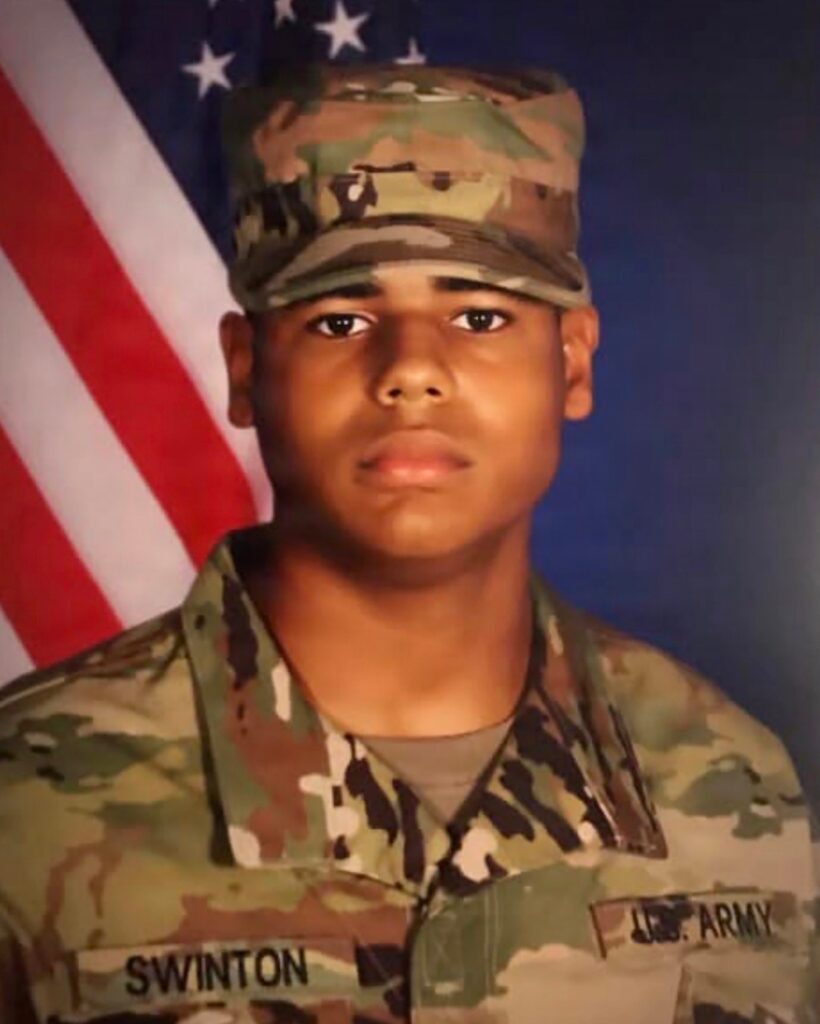
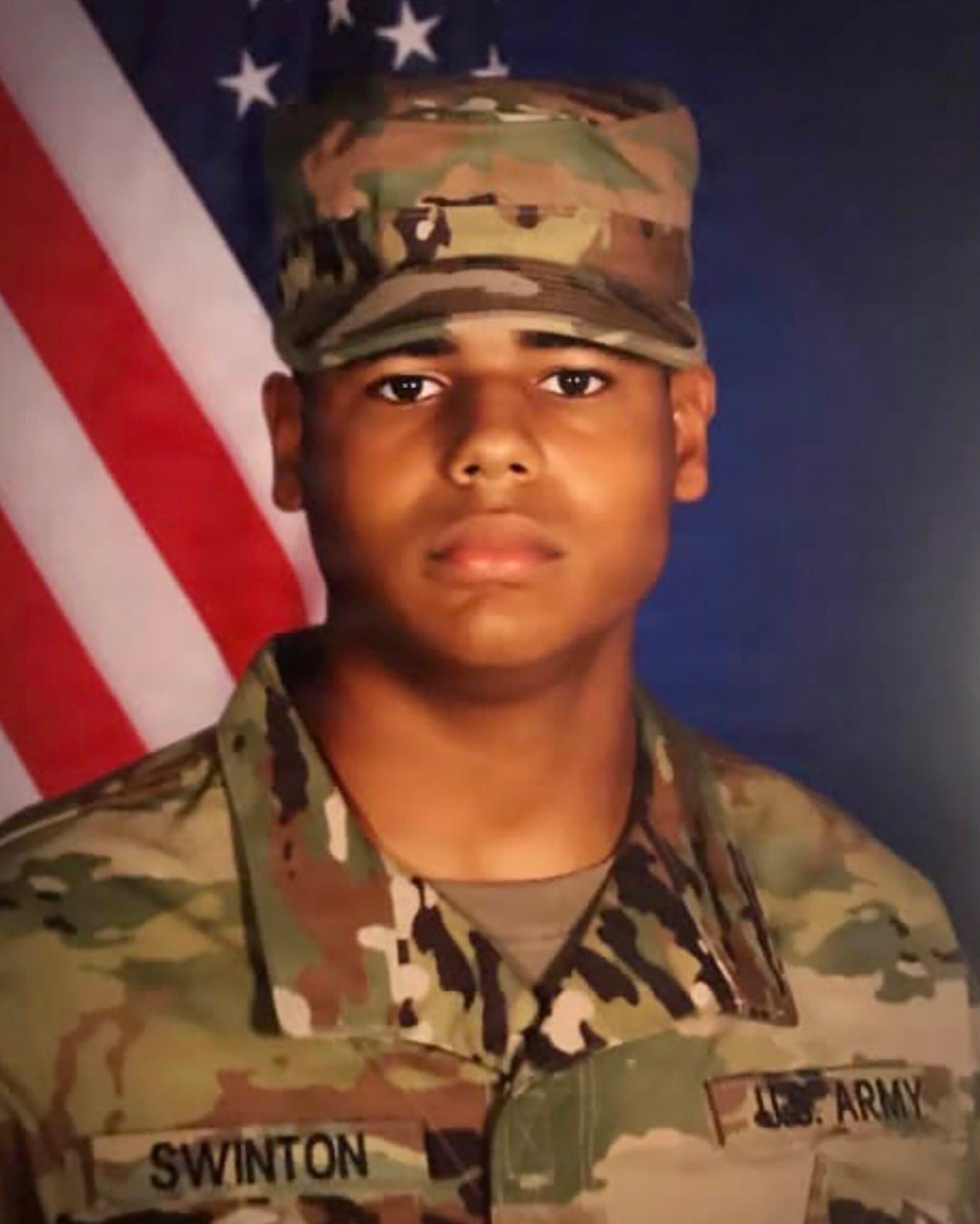
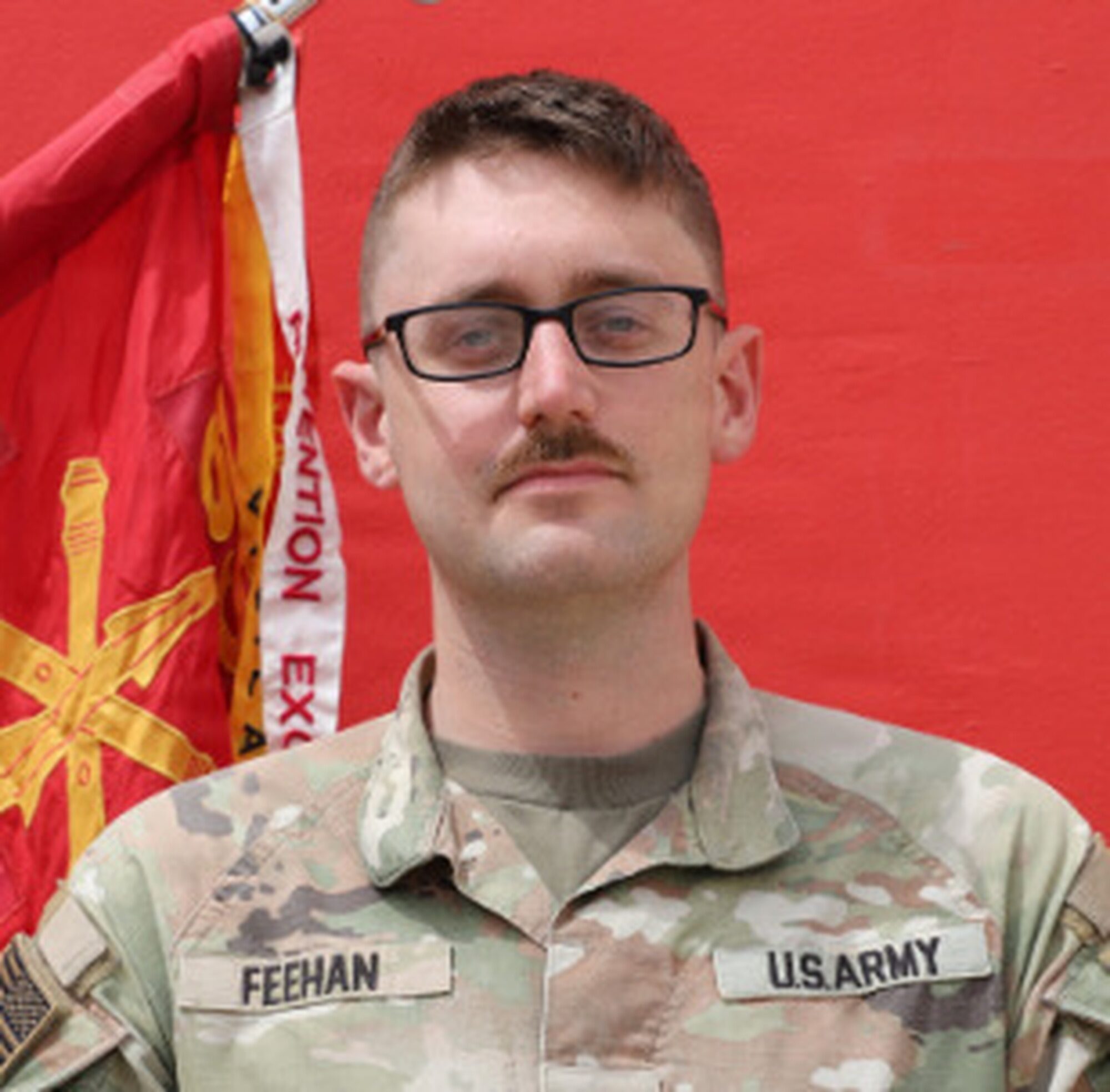
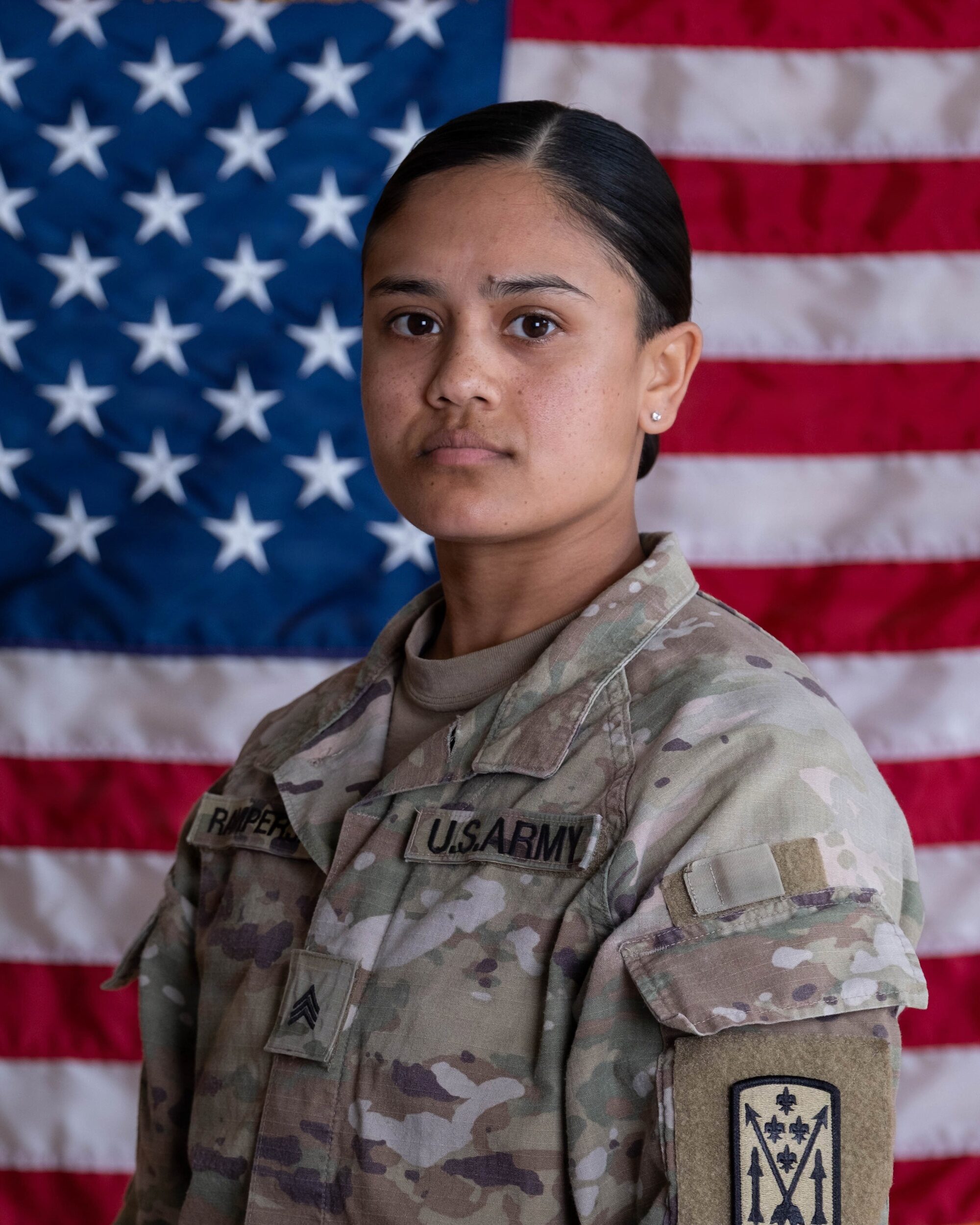
BadPD has confirmed four identities through public Defense Visual Information Distribution Service records. Their portraits appear below exactly as released by the U.S. government. Their names are part of the public record; their families deserve accuracy, not recycled screenshots and untraceable claims.
What the count means, and what it does not
The figure in this update is a dated cumulative count, not a claim that BadPD independently reconstructed every death from scratch. The official system’s current split is 14 deaths under Operation Epic Fury and four under Overseas Operations; Associated Press reporting on July 28 documented that the latter category was used for casualties after July 7. BadPD is attaching the date and the split because casualty records can change and agencies do not always release identities at the same speed.
There is also a difference between knowing a total and having a verified public biography for every person in that total. A news desk should not fill the gap with old photos, social-media posts, crowdsourced lists, or names that a family has not seen publicly released. In this post, the four portraits and identity details come from individual DVIDS records. The other 14 are represented only by the verified aggregate count until accountable records establish more.
That restraint matters. It protects families from misidentification and keeps a memorial from becoming a content farm. If an official release corrects a spelling, rank, hometown, circumstance, or date, this report will update the individual entry and preserve a correction note. It will not quietly swap the record after readers have relied on it.
Four service members identified in official releases
Spring Lake, North Carolina. The official record says he was killed July 19 during a controlled detonation of a downed one-way unmanned aircraft system at Erbil Air Base, Iraq. Official DVIDS record.
Ewa Beach, Hawaii. The official record says he was killed July 18 during an enemy attack at Muwaffaq Salti Air Base, Jordan. Official DVIDS record.
Ozone Park, New York. The official release says she is believed to have been killed July 17 during an enemy attack at Muwaffaq Salti Air Base, Jordan; the incident remains under investigation. Official DVIDS record.
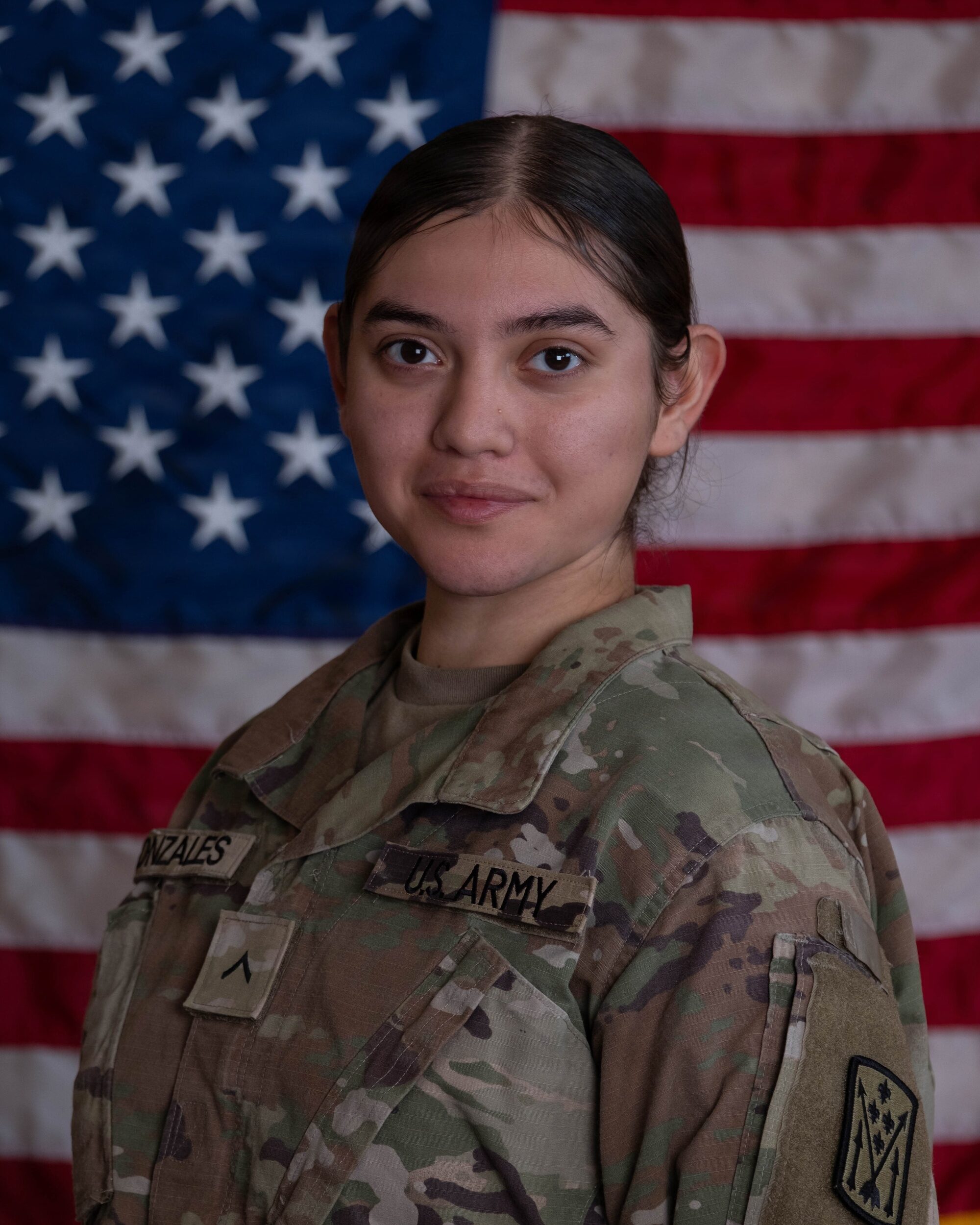
Carrollton, Texas. The official record says she was killed July 17 during an enemy attack at Muwaffaq Salti Air Base, Jordan. Official DVIDS record.
The 18-death total is a cumulative count, not a complete public roster. BadPD will not invent the remaining names, use someone else’s photo, or turn a count into a fake memorial wall. Four identities and official portraits are documented in this update. The remaining names and images should be added only when an official release or equally accountable record makes them public.
How the four names were checked
Each entry above links to its own source page rather than relying on one umbrella statement. The records identify Swinton, Feehan, Rampersad, and Gonzales by name and give the date and location or circumstances stated by the releasing office. That lets a reader audit the specific description beside the specific portrait. It also makes a later correction possible without pretending that every detail was known from the first report.
One entry requires especially careful language. The DVIDS record for Sgt. Rampersad says she is believed to have been killed in action and says the incident is under investigation. That is why this page retains that qualification. It is not a loophole and it is not a reason to minimize her loss; it is the exact public status in the official record. In accountability reporting, uncertainty belongs in the sentence where it matters, not buried after publication.
The portrait files used here were downloaded from the image endpoints attached to the four DVIDS pages and are displayed with the original record links. The images are not artificial recreations, and their faces have not been altered. Their use on this report is tied to the public source page, so a reader can inspect the government release directly.
Israeli-news source found: what it says and what it does not
After a second review of Israeli news sources, BadPD located an attributable record: the Jerusalem Post published a June 22 interview, credited to The Media Line, with retired Israeli Brig. Gen. Amir Avivi. Avivi argued that the United States should have taken a more aggressive military posture in the Strait of Hormuz and criticized what he described as unwillingness to fight, take chances, or accept casualties.
In that interview, Avivi said, “This will cost the lives of American soldiers, and this will cost the lives of Israeli soldiers.” The outlet published that statement as his argument for escalation and against the U.S.-Iran memorandum. That is a serious public statement about American lives, and it is now attached here to the named speaker, outlet, date, and source link.
It is also important to state the limits precisely. The article predates the July 17-19 deaths listed in this memorial. It does not say that the identified fallen service members were a deserved “price,” it does not mock them, and it is not an Israeli government or IDF statement. It is a retired Israeli general’s policy argument, published by an Israeli newspaper, that predicts American casualties as part of the cost of what he saw as U.S. restraint.
The viral version BadPD was asked to check appears to compress that argument into a harsher paraphrase about Americans dying because the United States did not protect Israel. We found the source for the underlying casualty argument, but not that exact wording. Reporting the difference is not a retreat from scrutiny; it keeps the criticism tied to the person who made the statement and the record that actually exists.
Why the source still deserves accountability reporting
Avivi’s interview does not establish official Israeli policy or prove responsibility for any particular death. It does establish that a retired Israeli brigadier general publicly framed U.S. military escalation and possible American casualties as part of the strategic price of a less aggressive approach. U.S. families and taxpayers have a right to examine that logic, especially when American service members are already dying and Congress is being asked to fund a wider war.
BadPD treats the Jerusalem Post article as a receipt for the reported remarks, not as an independent authority on the wisdom of the war. The relevant questions remain: who urged what policy, what U.S. officials accepted or rejected, what protections were in place, and what public records support the claimed strategic benefit. No foreign outlet, U.S. official, or commentator gets to answer those questions with a slogan.
The accountability question is still real
The verified record is enough to ask hard questions. Eighteen U.S. service members have been reported killed in this war, and public reporting has also described hundreds of U.S. personnel wounded. Congress, the White House, the Defense Department, and every foreign government urging or benefiting from U.S. involvement should be pressed for the mission, the exit criteria, force-protection decisions, casualty reporting, and the cost borne by U.S. families and taxpayers.
That scrutiny cannot be reduced to ethnic, religious, or nationality-wide attacks. It must stay attached to named decision-makers, public documents, congressional votes, official statements, and the human consequences of policy. This memorial is for the Americans lost, not a prop for anyone’s propaganda.
Questions that need records, not rhetoric
- What is the defined U.S. mission and exit standard? The administration should identify the objective, the legal authority it relies on, the conditions for ending or expanding operations, and the role Congress has actually been allowed to play.
- What force-protection measures were in place? The public deserves a factual account of warning systems, air-defense posture, staffing, equipment, medical evacuation, and whether relevant lessons were acted on after earlier attacks. These answers belong in official briefings and oversight records, not anonymous social-media warfare.
- How quickly are casualty records being released and corrected? Families come first. But once identities are public, the government should provide clear, consistent casualty updates rather than forcing the public to assemble fragments from rumors and republished clips.
- Who is paying, who is deciding, and who is accountable? U.S. taxpayers and service members bear the cost of U.S. policy. That makes congressional votes, appropriations, diplomatic commitments, foreign-government requests, and military briefings legitimate subjects of sustained public scrutiny.
Update protocol
This is a living record, not a one-time traffic post. BadPD will add a newly released identity only after an official casualty notice, a DVIDS release, or an equally accountable source supports it. Each addition should carry a source date and direct source link. If the 18-death count changes, the top of the page will show the prior count, the new count, the reporting date, and the receipt that triggered the correction.
The same rule governs follow-up material about the Israeli-media interview. Send an original video, transcript, full interview, archive link, account name, original-language version if relevant, and any known translation through the tip line. BadPD will add confirmation, dispute, context, or correction according to what the material actually shows. That is how a public record stays useful when a claim is designed to move faster than the evidence.
Limits of this update
This report does not determine fault for every attack, settle a war-power dispute, or substitute for a military investigation. It records what the cited sources publicly establish on the stated dates and identifies the records still missing. Readers should treat the casualty total as time-stamped, the four identity entries as individually sourced, and the Israeli-media interview as a documented retired general’s argument rather than proof of official policy or a taunt about named deaths. Those distinctions are the difference between a memorial that can be checked and one that merely repeats outrage.
Source ledger and update rules
- Defense Casualty Analysis System: Operation Epic Fury: official public category listing 14 deaths.
- Associated Press, July 28, 2026: reports that four later deaths were moved to DCAS’s separate Overseas Operations category, preserving a cumulative 18-death Iran-war count.
- Jerusalem Post / The Media Line, June 22, 2026: interview reporting retired Brig. Gen. Amir Avivi’s statement that a less aggressive U.S. course would cost American and Israeli soldiers’ lives.
- DVIDS: Sgt. Michael Emmanuel Swinton: official portrait and casualty details.
- DVIDS: 1st Lt. Tyler James Feehan: official portrait and casualty details.
- DVIDS: Sgt. Angel Rampersad: official portrait and status of the continuing investigation.
- DVIDS: Pvt. Isabella Gonzales: official portrait and casualty details.
Source note: The DVIDS image pages label the supplied portraits public domain. BadPD is preserving the official source links and captions with each image. The Jerusalem Post interview is a receipt for Avivi’s reported view, not proof of official Israeli policy. Send an original video, transcript, full interview, or archived source for any additional claim through the BadPD tip line. Do not send cropped context-free snippets.
This is a live accountability record. Last verified: July 29, 2026. The current public category split is 14 deaths under Operation Epic Fury and four under Overseas Operations. More identities and source material will be added only when independently sourced.
Source Trail
This fallback trail lists external receipts detected in this article metadata or article body so older receipt hubs keep a consistent audit trail.
- www.dvidshub.net/image/9822572/sgt-michael-emmanuel-swinton
- www.dvidshub.net/image/9820348/1st-lt-tyler-james-feehan
- www.dvidshub.net/image/9823905/dow-releases-identity-army-casualty-jordan
- www.dvidshub.net/image/9819969/dow-releases-identity-fallen-air-defender
- dcas.dmdc.osd.mil/dcas/app/conflictCasualties/oefu/namesOfFallen
- apnews.com/article/612099f7e3eda9c28625e8bfe7c5c6dd
- www.jpost.com/middle-east/article-900166
Send receipts for the desk to research
Send corrections, missing records, police-accountability tips, good-cop public-service receipts, government/court/war leads, recall alerts, or property-tax help resources. Tips are leads only until BadPD verifies records.
Links, dates, agency names, docket numbers, bodycam IDs, recall numbers, forms, and official pages.
Every tip is a lead, not a fact. The desk checks records before publishing.
Use advertising inquiry when you want clearly labeled advertiser placement on BadPD.