
Massive Meat Recall: Listeria Contamination Forces Walmart to Pull Products in Collierville, TN
October 9, 2024
Massive Meat Recall: Listeria Contamination Forces Walmart to Pull Products in Collierville, TN
News Anchor voice
Ready when you are.
Table of Contents
- Incident Overview
- Background on the Listeria Outbreak
- Timeline of the Recall
- Impact on Local Businesses and Consumers
- Comparison to Past Recalls
- Public Health Response and Recommendations
- Legal and Financial Implications for BrucePac
- Conclusion
Incident Overview
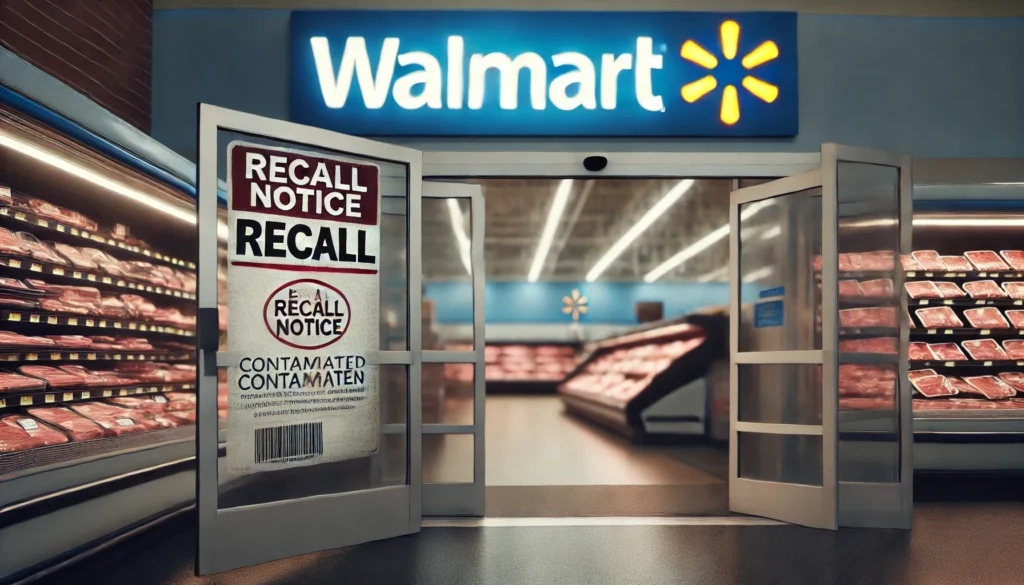
The removal of all meat and poultry products from Walmart in Collierville, TN, is related to a significant recall due to concerns about Listeria monocytogenes contamination. This issue is part of a broader recall involving nearly 10 million pounds of meat and poultry products from BrucePac, an Oklahoma-based company, identified by the USDA’s Food Safety and Inspection Service (FSIS) as a potential health risk. The recall affects ready-to-eat products distributed to several retail outlets, including Walmart locations across multiple states.
Background on the Listeria Outbreak
Listeria monocytogenes is a serious bacterial infection that can cause severe illness, especially in vulnerable groups like the elderly, pregnant individuals, and those with weakened immune systems. Listeria can survive even at refrigerated temperatures, making contamination particularly concerning for products like deli meats. The CDC and other health officials have advised against consuming potentially contaminated products until further testing and verification are completed.
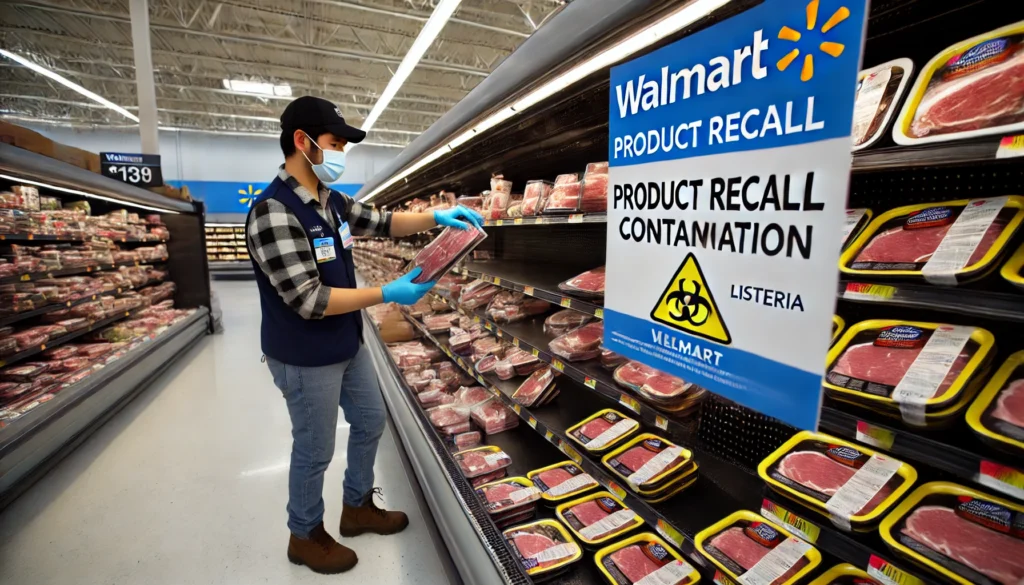
The discovery of Listeria contamination in BrucePac products has triggered a multi-state response, with Walmart stores in Collierville and other areas pulling affected products from their shelves to comply with the recall.

Timeline of the Recall
The timeline of this recall spans several key events, starting with the initial detection of contamination at BrucePac facilities. Here’s a look at how events unfolded:
- September 2024: Initial Listeria contamination detected during routine testing at BrucePac facilities in Oklahoma.
- Early October 2024: USDA’s FSIS issues a nationwide recall of BrucePac’s ready-to-eat meat products.
- October 8, 2024: Walmart stores in Collierville, TN, begin removing affected products from their shelves.
- October 10, 2024: The CDC issues a health advisory, urging consumers to avoid consuming the recalled products.
Impact on Local Businesses and Consumers
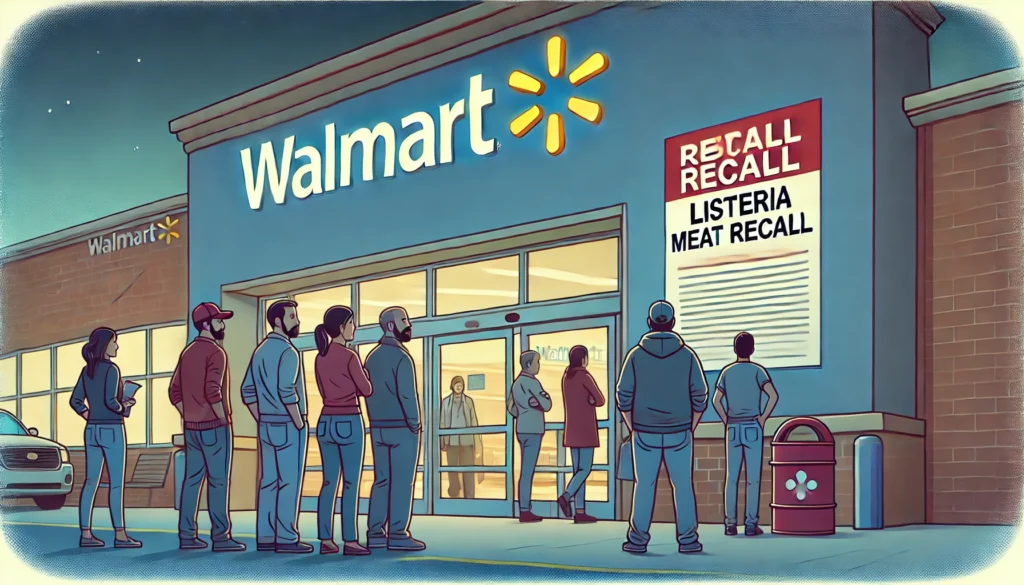
The recall has had a significant impact on local businesses and consumers in Collierville, TN, and other affected areas. Local grocery stores and retailers, including Walmart, have had to remove thousands of pounds of products from their shelves, resulting in temporary shortages and financial losses. For many small businesses that rely on a steady supply of ready-to-eat products, the recall has created challenges in maintaining inventory.
Consumers have also been affected, with many expressing concerns about food safety and the availability of alternatives. The fear of Listeria contamination has led to increased awareness about proper food handling and storage practices among the public.
Comparison to Past Recalls
This recall is reminiscent of past food safety scares, such as the E. coli outbreak linked to ground beef earlier this year. While E. coli and Listeria are different in terms of their risks and symptoms, both outbreaks have highlighted vulnerabilities in the food supply chain and the importance of robust inspection processes. The current recall is among the largest of its kind in recent years, involving nearly 10 million pounds of meat products.
Public Health Response and Recommendations
The CDC, USDA, and other health officials have been actively involved in the response to the Listeria contamination, issuing recommendations for consumers and retailers alike. The advice includes thorough cooking of meat products and immediate disposal of any items identified as part of the recall. The public has been urged to check lot numbers and expiration dates carefully before consuming ready-to-eat meats.
Health officials have also been working to educate the public about the symptoms of Listeria infection, which can include fever, muscle aches, and gastrointestinal symptoms. Consumers are advised to seek medical attention if they suspect they have consumed contaminated products.
Legal and Financial Implications for BrucePac
The recall has significant legal and financial implications for BrucePac, the Oklahoma-based company at the center of the contamination. With millions of pounds of meat products pulled from shelves and potential lawsuits from affected consumers, the company faces both immediate financial losses and long-term reputational damage.
The USDA’s FSIS is conducting a thorough investigation into the contamination, which could result in additional penalties or regulatory action against BrucePac. The company’s leadership has been working to manage the fallout, cooperating with federal authorities to trace the source of the contamination and ensure that all affected products are accounted for.
The economic impact is also being felt by local retailers, with many facing challenges in restocking and reassuring their customers of the safety of their products.
Conclusion
The removal of meat and poultry products from Walmart in Collierville, TN, is a stark reminder of the vulnerabilities in the food supply chain. As the recall continues to unfold, affected businesses and consumers must navigate the challenges posed by Listeria contamination. The incident highlights the importance of strict food safety protocols and the role of federal oversight in maintaining public health.
BadPD source repair: what this page can prove
This article has been upgraded from a fast watcher item into a clearer receipt ledger for Massive Meat Recall: Listeria Contamination Forces Walmart to Pull Products in Collierville, TN. The original item remains above. This repair section does not add a verdict. It explains what the attached source trail can support, what it cannot support by itself, and what records would make the story stronger.
The topic lane is Product Recalls. BadPD is treating www.youtube.com as receipts, not as final authority. A receipt can prove that a claim was made, that an agency published a statement, that a news outlet reported a fact, or that a public dispute exists. A receipt does not automatically prove the whole story. That is why this page keeps the links visible and keeps the open questions attached.
Source ledger
- www.youtube.com: https://www.youtube.com/embed/ZT8xhPq7LKw
- www.youtube.com: https://www.youtube.com/embed/bJhZwUxGBlE
- www.youtube.com: https://www.youtube.com/embed/kIj8IshEzl0
What is confirmed right now
The page confirms that BadPD captured a public source trail around this claim and preserved the lead item with supporting checks. It also confirms the publication context, the source lane, and the follow-up direction. If the attached links disagree, the disagreement is part of the story. If they agree only on the existence of a claim, then the claim still needs stronger records before it should be treated as settled fact.
For readers, the useful value is the source map. It shows where the first claim came from, where the cross-checks came from, and which public institutions or publishers are part of the record. That matters because low-quality news often strips the claim away from its paper trail. BadPD keeps the paper trail close to the claim so the reader can test it.
What is not proved yet
This page should not be read as proof of every allegation, quote, motive, number, or timeline in the wider dispute. It should be read as a live accountability record. The strongest next version would add primary documents, direct video, court filings, official transcripts, public-meeting records, procurement records, agency data, or named on-the-record responses from the people and institutions involved.
Questions BadPD still wants answered
- Which official recall notice, lot number, product label, seller, date range, and consumer instruction are on the record?
- Have injuries, illnesses, refunds, replacements, or enforcement actions been documented by an accountable source?
- Do consumers need to stop use, dispose of a product, request a refund, contact a regulator, or watch for symptoms?
- Is the source trail clear enough to separate the recall fact from rumor, reseller confusion, or recycled product photos?
Why this stays on BadPD
BadPD covers stories where power, public money, police authority, courts, public safety, infrastructure, recalls, war powers, or public records are in play. A story does not need to be finished to deserve tracking. But it does need a clear label. This page is now labeled as a source-ledger item unless and until the record supports a stronger long-form conclusion.
The standard from here is simple. If a stronger record appears, this post should be updated with the new receipt and the claim should move from pending to confirmed, disputed, or corrected. If no stronger record appears, the post should stay cautious. That is the difference between accountability coverage and content churn.
Flag this receipt
Corrections, broken links, missing context, and media problems land in review as feedback only.